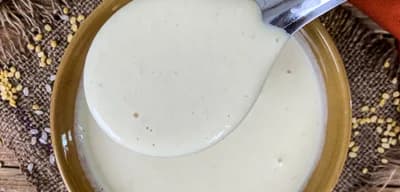
Idli
Ingredients
- 2 cups parboiled rice (idli rice)
- 1 cup urad dal (split black lentils)
- 1 tsp fenugreek seeds (methi)
- Salt to taste
- Oil for greasing idli moulds
- Water as needed (for soaking and grinding)
Steps
- 1
Soak rice and dal
Rinse the rice and urad dal separately. Add fenugreek seeds to the dal. Soak both in plenty of water for 6–8 hours or overnight.
- 2
Grind the batter
Grind urad dal first until fluffy and white, adding water gradually. Grind rice separately to a coarser texture. Mix both together in a large bowl. The total batter should have a thick, pourable consistency.
- 3
Ferment the batter
Cover and leave in a warm place for 8–12 hours until the batter doubles in volume and smells slightly sour. In winter, keep it in an oven with just the light on.
- 4
Add salt and prepare steamer
Add salt to the fermented batter and mix gently. Fill your electric steamer with water per the manufacturer's instructions and turn it on to preheat for 5 minutes.
- 5
Fill the moulds
Grease idli moulds with a light coating of oil. Pour batter into each cavity, filling about three-quarters full — the idlis will expand as they steam.
- 6
Steam the idlis
Place the idli plate rack in the steamer. Steam on high for 12–15 minutes. Do not open the lid during steaming. Check doneness by inserting a wet toothpick — it should come out clean.
- 7
Rest and serve
Turn off the steamer and let the idlis rest for 2 minutes. Dip a spoon in water and run it around the edges to unmould easily. Serve with sambar and coconut chutney.
Tips for Best Results
💡 Wet the spoon before unmoulding
A wet spoon or spatula slides under the idli cleanly without tearing. Dry tools cause the idli to stick and break.
💡 Do not stir the batter after fermentation
Fermented batter is full of air bubbles that give idlis their light texture. Stirring too much collapses these bubbles. Mix gently and only as much as needed.
💡 Check water level
Make sure the steamer has enough water before starting. Running dry mid-steam will produce hard, dense idlis.
💡 Use parboiled rice
Regular white rice will produce softer, stickier idlis. Parboiled (idli) rice gives the classic firm-yet-fluffy texture that holds up well with sambar.
About this recipe ↓About this recipe ↑
The LPG Shortage and South Indian Breakfast
Idli is one of India's most beloved breakfast foods — and one that depends almost entirely on steam cooking. Traditionally made on a gas stove with a large steamer pot, idlis seem impossible to make without gas.
But electric steamers have made gas-free idlis entirely achievable. From dedicated electric idli cookers to multi-purpose food steamers to the Instant Pot, the equipment options are wide. And the results? Often better than the stovetop version — more consistent heat, less chance of drying out, and no watching a pot.
If you have been avoiding idlis during the LPG shortage, this guide is for you.
Equipment Options
You can make idlis in: a dedicated electric idli cooker (the easiest option), a multi-tier electric food steamer, an Instant Pot or electric pressure cooker in steam mode, or even an electric rice cooker with a steaming basket.
Any of these will work. The key is consistent steam over 12–15 minutes without letting the water run dry.
More details ↓More details ↑
Electric Steamers: The Unsung Hero of Gas-Free Cooking
Electric steamers are one of the most underrated kitchen appliances in Indian homes. They make idlis, dhokla, momos, steamed fish, and even vegetables with zero gas and minimal effort.
If you are coping with the LPG shortage, investing in an electric steamer opens up a surprisingly wide range of the Indian cooking repertoire — from South Indian breakfasts to snacks to complete meals.
More No-Gas Recipes
Try These Recipes on Upliance
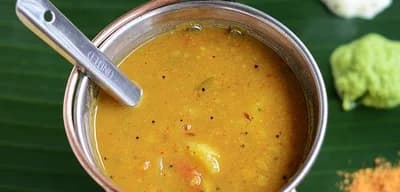
Tiffin Style Sambar
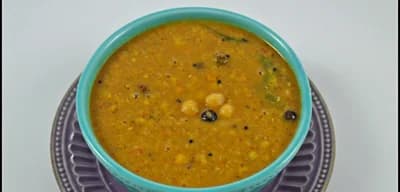
Chickpea and Vegetables Sambar

Hotel Style Sambar

Chennai Style Sambar
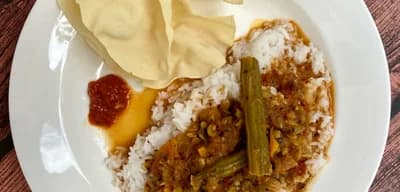
Bangalore Style Sambar